Undercurrent: The Disappearance of Kim Wall (2022)
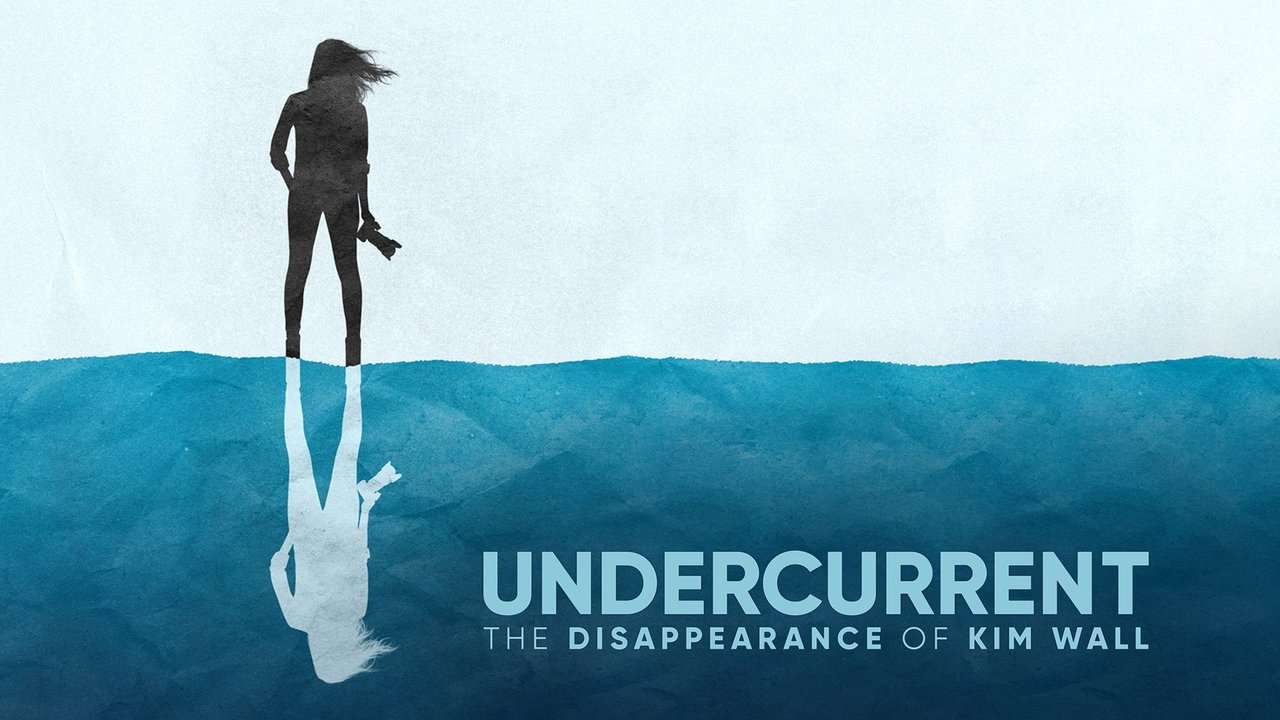
When I finished watching Undercurrent: The Disappearance of Kim Wall, I had a pretty good idea of what I wanted to say about the documentary. Then I began my usual post-viewing routine of going beyond scores and ratings by delving deeper into what others have said about what I just watched. When I saw so many on IMDB were dumping on this one, I knew my own review would take on a slightly different flavor than I had originally intended.
As a side note, prior to a viewing, I prefer to know very little about the film. This is typically limited to an aggregate consumer rating/score, an aggregate professional critic rating/score, and the official marketing synopsis or trailer.
One of my biggest criticisms of a series, whether they be fictitious or documentary in nature, is when I get the impression that there is filler. I find it disrespectful to the viewer if a story is being drawn out artificially in order to have another episode of material. Sometimes there will be that one big cliffhanger moment and not much else, so you have an episode that consists of 40 minutes of mostly drawn out meandering followed by that final ten minutes of excitement. Undercurrent: The Disappearance of Kim Wall is only two 1-hour episodes. I found the material to be very interesting and engaging (not to mention tragic, shocking, surprising, saddening, infuriating, and about twenty other pertinent adjectives) and, in my opinion, they did a great job of pacing out the total running time. Because of that, it was a bit unexpected to see people on IMDB who felt the exact opposite as I did, frequently citing the length as their main critique. Some of them even referred Undercurrent as ‘boring’.
Context Matters
I am reminded on a daily basis that we are all different, and that is often a wonderful thing. Professionally, I am a Registered Nurse, and I’d like to share a brief example that popped into my head after reading the IMDB reviews. Imagine that you observe me with a patient early in the evening after they finished their dinner. The patient indicates they would love a piece of chocolate cake, but were told the cafeteria had already closed. You see me leave the room and come back ten minutes later with a piece of cake for the patient. On the surface, you may see that as just part of my job, or perhaps me being polite and doing something nice for someone else. What if I told you that before I initially entered the room I saw test results from the doctor stating the patient was about to be diagnosed with stage IV metastatic cancer, and as soon as the doctor stopped in for rounds, the patient would be given this information? Does the added context change the way in which you view the simple act of bringing someone a piece of cake? I’m sure there are some who would say ‘no’, but I’m guessing most would say ‘yes’.
The cake example (which actually did happen) illustrates how I see other people. I’m always focused on the deeper context – the ripples in the water that result from what people say or do. If you’re like me in that regard, I think you’ll find a whole lot to process and digest when you view Undercurrent: The Disappearance of Kim Wall. If you’re more the type that doesn’t see much difference in the cake example even after you were provided more context, then you may see it as some of the IMDB reviewers did. Neither is necessarily wrong or right, it’s just a difference in perspective.
Score: 8.2/10
To see our movie reviews, check here; to see our TV series reviews, check here.